🍓 Complete Guide to Fruit Picking & Packing Jobs in Italy 2026 (Visa Sponsorship, Salary & Process)
If you are looking for an honest, legal, and straightforward way to work abroad in Europe in 2026, agricultural jobs in Italy—specifically fruit picking and packing—remain one of the most accessible entry points for international workers.
Italy’s massive farming sector heavily relies on seasonal and foreign labor to harvest its world-famous produce. To meet this demand, Italian employers actively participate in government-regulated visa sponsorship programs (like the Decreto Flussi), allowing non-EU citizens to apply legally, work safely, and earn in Euros (€).
This updated, comprehensive guide explains exactly what to expect, how the visa sponsorship process really works in 2026, and how to apply successfully without falling victim to common scams. 🌍🚜
🍇 Why Work in Italy’s Agricultural Sector?
Italy is one of Europe’s largest and most prestigious agricultural producers. Because the country’s climate varies from the snowy Alps in the north to the sun-baked Mediterranean coast in the south, harvest seasons are long and diverse.
Italian farms are currently producing massive yields of:
- Grapes: Both table varieties and those meant for world-class wineries.
- Apples & Pears: Heavily concentrated in the northern regions like Trentino.
- Berries: Strawberries, blueberries, and raspberries.
- Olives: For premium table use and global olive oil production (mostly in Puglia and Sicily).
- Citrus Fruits: Oranges and lemons in the southern regions.
Because harvest times vary by region and crop, farms offer Seasonal roles (3 to 9 months) and extended contracts for warehouse packing and logistics. This is the perfect job for you if you prefer hands-on work, want a legal entry into the European job market, and can handle physical, outdoor tasks.
🧑🌾 Types of Jobs: Picking vs. Packing
While often grouped together, picking and packing are two distinct roles with different daily experiences.
1. What Fruit Picking Involves (Field Work)
Fruit picking is entirely field-based and requires stamina. You are out in the orchards or vineyards handling the raw harvest.
- Core Tasks: Harvesting crops by hand based on strict ripeness guidelines, filling heavy crates or bins, and safely transporting loads to collection points.
- The Environment: You will be working outdoors, meaning exposure to the sun and heat. Shifts usually start very early in the morning (often at sunrise) to avoid the midday heat.
- Experience Needed: None! It is physically demanding, but no prior experience or formal education is required.
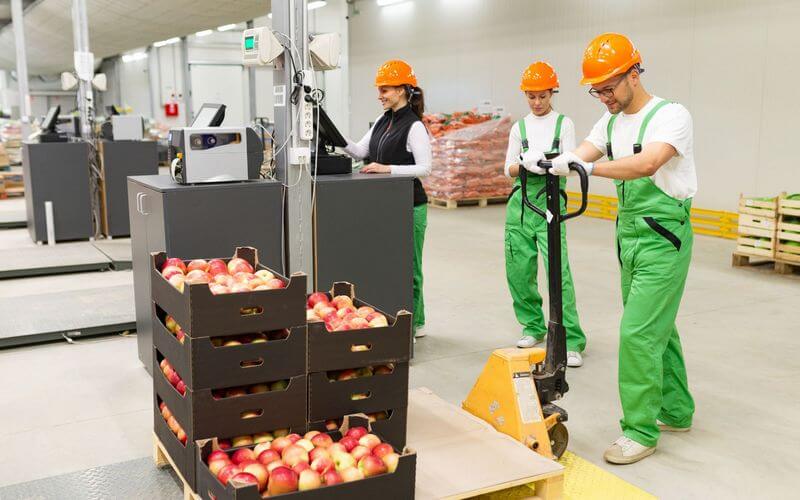
2. What Fruit Packing Involves (Warehouse Work)
Packing roles take place indoors, usually in sheltered agricultural warehouses or cold-storage facilities.
- Core Tasks: Sorting freshly picked fruits by size and quality, washing and trimming produce, packing items securely into boxes or trays, labeling shipments, and assisting with forklift logistics.
- The Environment: Slightly less physically intense than picking, protected from the weather, and usually offers more stable, standardized working hours.
💶 Salary, Pay Structure & Work Conditions (2026)
Working in Italian agriculture is governed by strict labor laws, ensuring you are paid fairly. Here is what you can expect this season:
- Workweeks: Usually 5 to 6 days a week.
- Shifts: Early morning to afternoon (often 6:00 AM to 2:00 PM).
- Peak Demand: Late Spring, Summer, and early Autumn.
Typical Pay Structure:
- Hourly Wage: €7 to €10 per hour (Net).
- Piece-Rate (Target-Based): Many farms pay per crate or per kilogram harvested. Fast, efficient workers can earn significantly more under this system.
- Monthly Earnings: Generally range between €900 to €1,400 per month, depending on your speed and overtime hours.
Employer Perks (Benefits): Many agricultural employers operating under the seasonal visa program provide: 🏡 Shared Accommodation: Free or heavily subsidized farmhouses. 🚐 Transport: Free shuttle buses from the housing to the fields. 🍲 Meal Support: One hot meal during the shift or subsidized groceries.
🛂 How Visa Sponsorship Actually Works in 2026
In 2026, Italy continues to manage foreign labor through the Decreto Flussi (Flow Decree). This is a quota-based system that dictates exactly how many non-EU workers can enter the country. Here is the real, legal step-by-step process:
- The Employer Applies First: Your Italian employer applies to the government for a work permit quota during the “Click Days” (usually early in the year).
- The Job Offer: You receive a formal, written job contract from the farm.
- The Nulla Osta: The Italian government reviews the employer’s request and issues a Nulla Osta (Official Work Authorization document).
- Embassy Application: The employer sends you the Nulla Osta. You take this, along with your passport, to the Italian Embassy in your home country to get your Schengen Work Visa stamped.
- Arrival in Italy: Upon landing, you have 8 days to apply for your Permesso di Soggiorno (Residence Permit).
🎯 Who Can Apply & Skills Needed
These roles are brilliantly accessible. They are open to first-time international workers, individuals without university degrees, and seasonal job seekers.
To stand out and secure a contract, show employers you possess these traits:
- Physical Stamina: The ability to bend, lift, and stand for hours.
- Reliability: Showing up on time, every single day.
- Basic English: Helpful for communicating with supervisors.
- Willingness to Learn Italian: Knowing just 20-30 basic farming words in Italian will make you a favorite among farm managers!
- Remember: In agriculture, a strong work ethic matters far more than your past resume.
⚠️ Common Risks & Scams to Avoid
Because getting into Europe is highly desirable, scammers target desperate workers. Protect yourself by remembering these rules:
- ❌ No Massive Upfront Fees: Legitimate farms do not charge you €5,000 for a job offer. The Nulla Osta application is mostly the employer’s financial responsibility.
- ❌ No “Tourist Visa to Work” Tricks: It is illegal to enter Italy on a tourist visa and start working on a farm. You must enter on a proper D-Type Work Visa.
- ❌ No Verbal Contracts: If an “agent” refuses to show you a written contract or explain the sponsorship steps clearly, walk away immediately. Legal work in Italy always involves documented proof.
🚀 How to Apply Successfully in 2026
Ready to secure your spot for the harvest season? Follow these steps:
1. Prepare a Simple CV: Keep it to one page. Highlight any physical labor, construction, teamwork, or farming experience you have. 2. Write a Direct Cover Message: When emailing farms or applying online, state clearly: “I am physically fit, ready for full-time seasonal work, and seeking a visa-sponsored role under Decreto Flussi.” 3. Target the Right Employers: Look for large Agricultural Cooperatives (Cooperative Agricole), licensed commercial farms, and government-approved seasonal hiring portals. Use sites like Indeed Italy, EURES, and specialized agriculture boards. 4. Ask the Right Questions: During an interview, clearly ask about the contract duration, whether housing is provided, and confirm they are willing to apply for your Nulla Osta.
📌 Final Summary (The 2026 Reality)
Fruit picking and packing jobs in Italy are: ✅ A 100% real and legal opportunity to enter Europe. ✅ Highly accessible without requiring advanced degrees or language fluency. ✅ A fantastic way to save money if accommodation is provided.
However, be prepared: the work is physically demanding, the quotas are competitive, and the process requires patience. Prepare your documents today, target legitimate Italian agricultural employers, and take your first step toward working in Europe! 🇮🇹🍏